

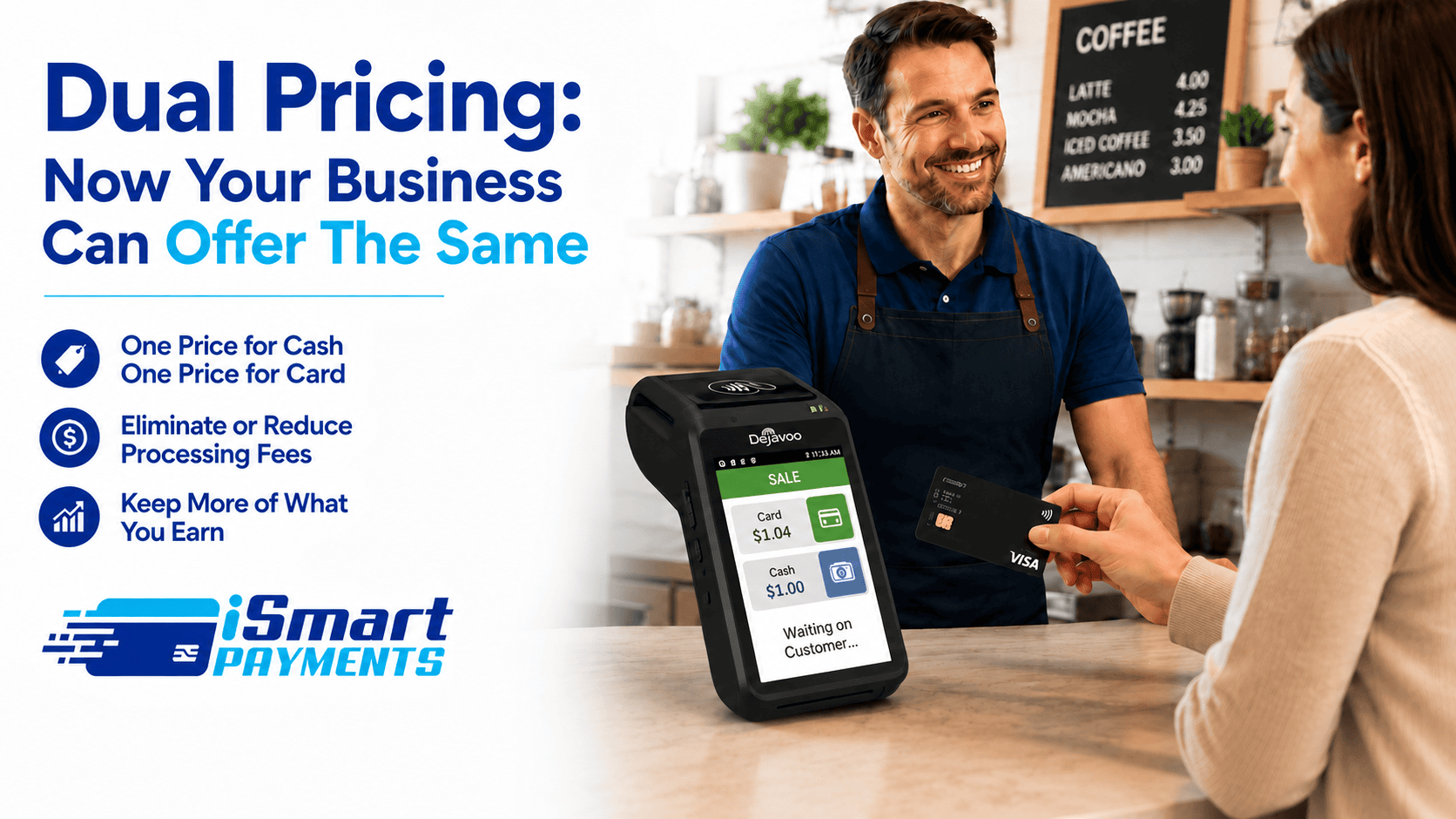
What Is Dual Pricing Payment Processing?
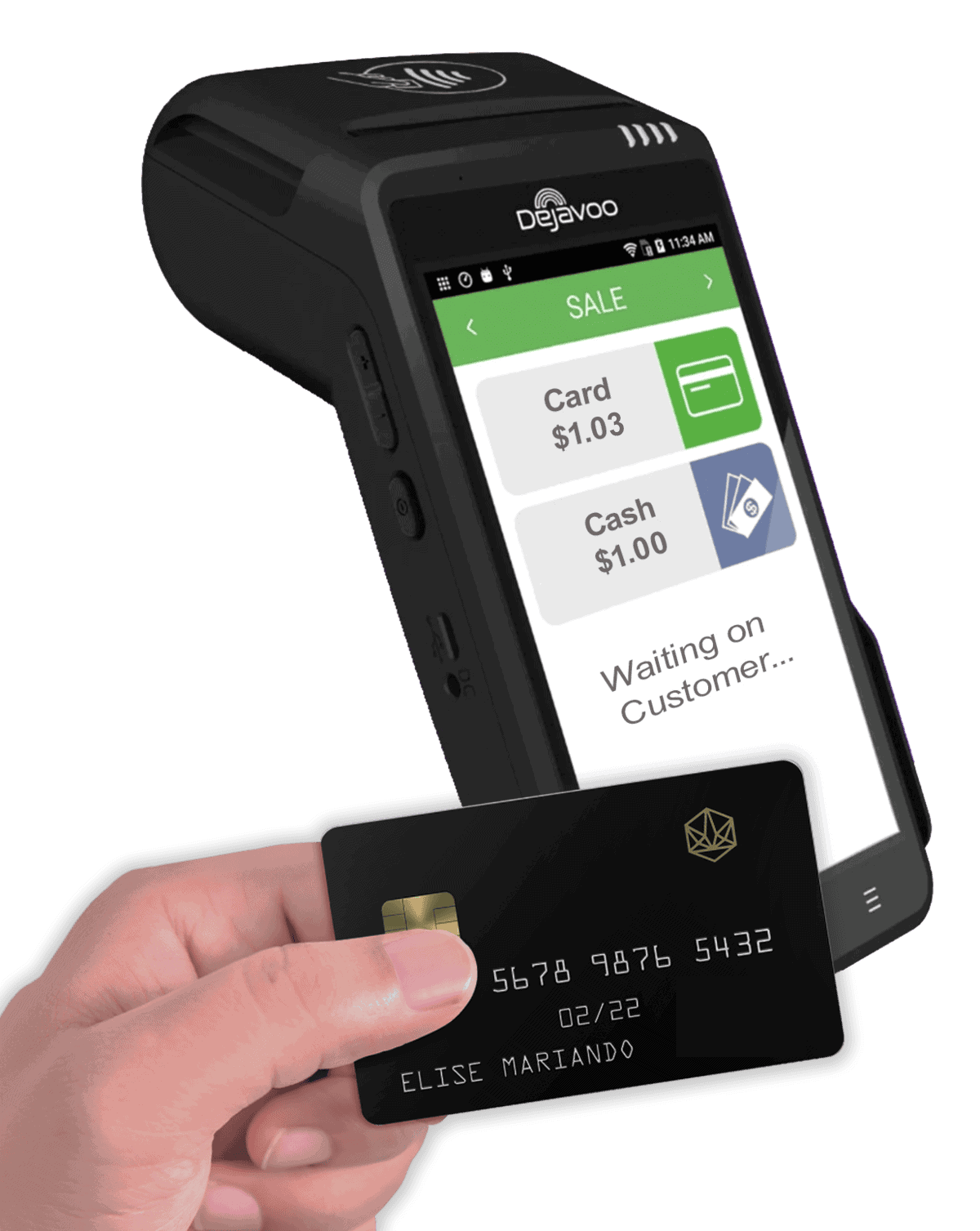
Dual Pricing Credit Card Processing Made Simple
Dual pricing credit card processing gives customers a simple choice: one price for cash and one price for card—while helping your business reduce credit card processing costs.
✓ One Price for Cash. One Price for Card.
✓ Reduce or Eliminate Processing Costs.
✓ Simple, Transparent Customer Choice.
See What You Could Save
Move the slider to estimate how much no fee credit card processing could potentially save your business.
Choose Your No Fee Processing Option
Your Potential Processing Savings
Based on the monthly card volume selected above.
Ready to See Your Options?
See which no fee processing option makes the most sense for your business.
Get My No Fee Processing Options →How Does Dual Pricing Payment Processing Work?
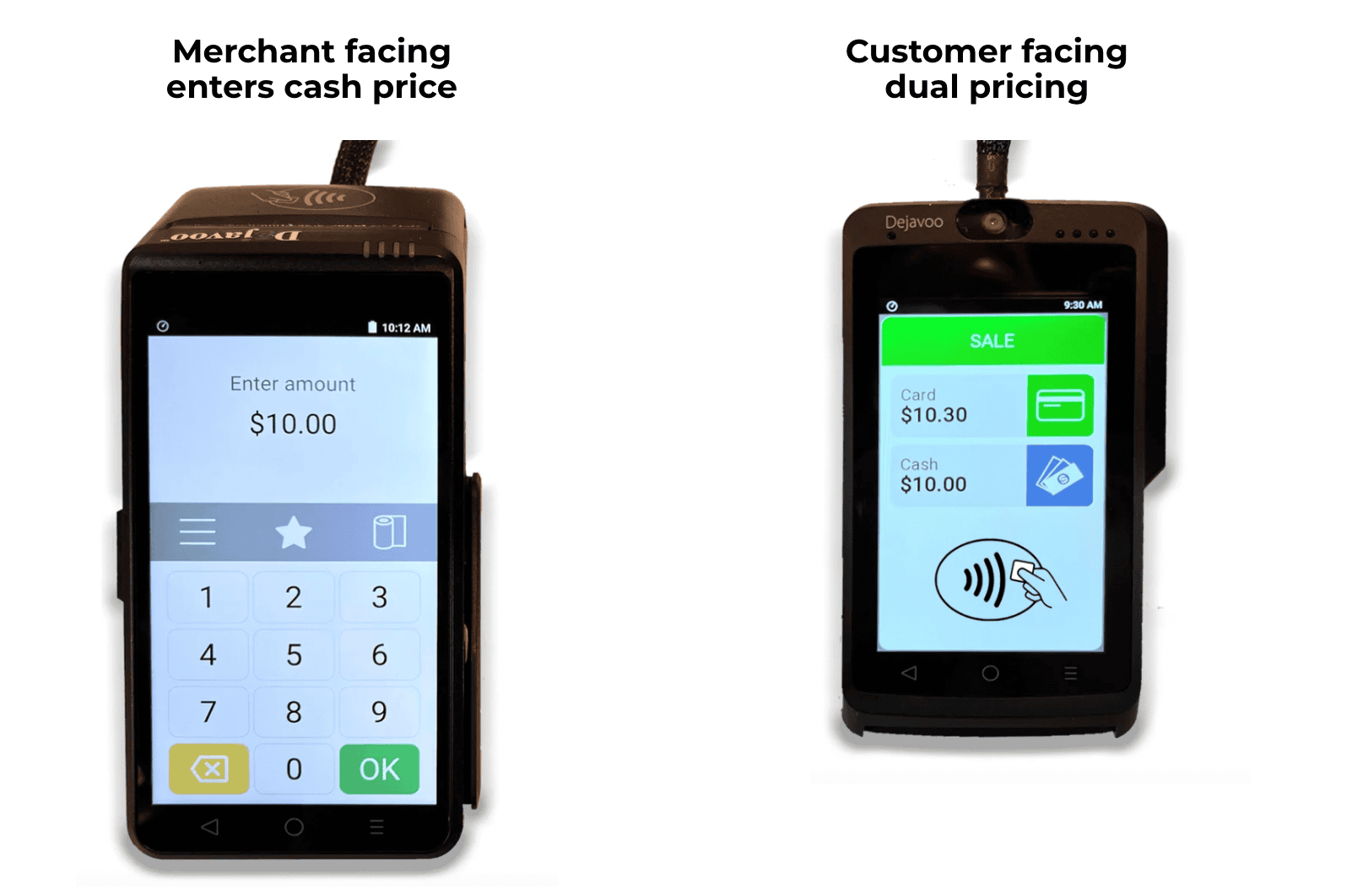
Simple. Automatic. Transparent.
- Enter the Sale
Enter the regular cash price into the dual pricing payment terminal. - Both Prices Are Displayed
The customer sees the cash price and card price clearly before choosing how to pay. - The Customer Chooses
Pay cash for the cash price or choose card and pay the displayed card price. - The Terminal Does the Work
Pricing is calculated automatically, helping your business reduce or eliminate credit card processing costs.
See Dual Pricing in Action
See how 3% and 4% dual pricing works—from the merchant side to the customer-facing payment screen.
How Dual Pricing Credit Card Processing Works


Cash or Card. The Customer Chooses.
Dual pricing payment terminals clearly display two prices at checkout:
✓ A Lower Cash Price
✓ A Standard Card Price
The customer chooses how they want to pay. The terminal automatically handles the pricing, making checkout simple and transparent.
Customers can continue paying with:
✓ Credit & Debit Cards
✓ Tap to Pay
✓ Apple Pay & Google Pay
✓ Contactless Payments
Dual Pricing vs Credit Card Surcharge
Two Different Ways to Offset Processing Costs
Dual pricing and credit card surcharging can both help businesses offset processing costs, but they work differently.
With Dual Pricing:
✓ Cash and card prices are displayed upfront
✓ Customers choose how they want to pay
✓ The terminal automatically displays both prices
With Credit Card Surcharging:
✓ A surcharge is added to eligible credit card transactions
✓ Debit cards cannot be surcharged
✓ Additional card-brand and state requirements apply
Dual pricing keeps the choice simple: two clearly displayed prices. The customer chooses.
Benefits of Dual Pricing for Businesses

Lower Costs. More Flexibility.
Dual pricing helps businesses reduce payment processing costs while continuing to give customers modern ways to pay.
✓ Reduce Processing Costs
Offset much of the cost of accepting card payments.
✓ Keep Cash Prices Competitive
Offer a lower cash price without raising prices across the board.
✓ Accept Modern Payments
Continue accepting EMV, contactless, Tap to Pay and mobile wallets.
✓ Improve Cash Flow
Keep more of your revenue by reducing processing costs.
Dual Pricing for Many Types of Businesses
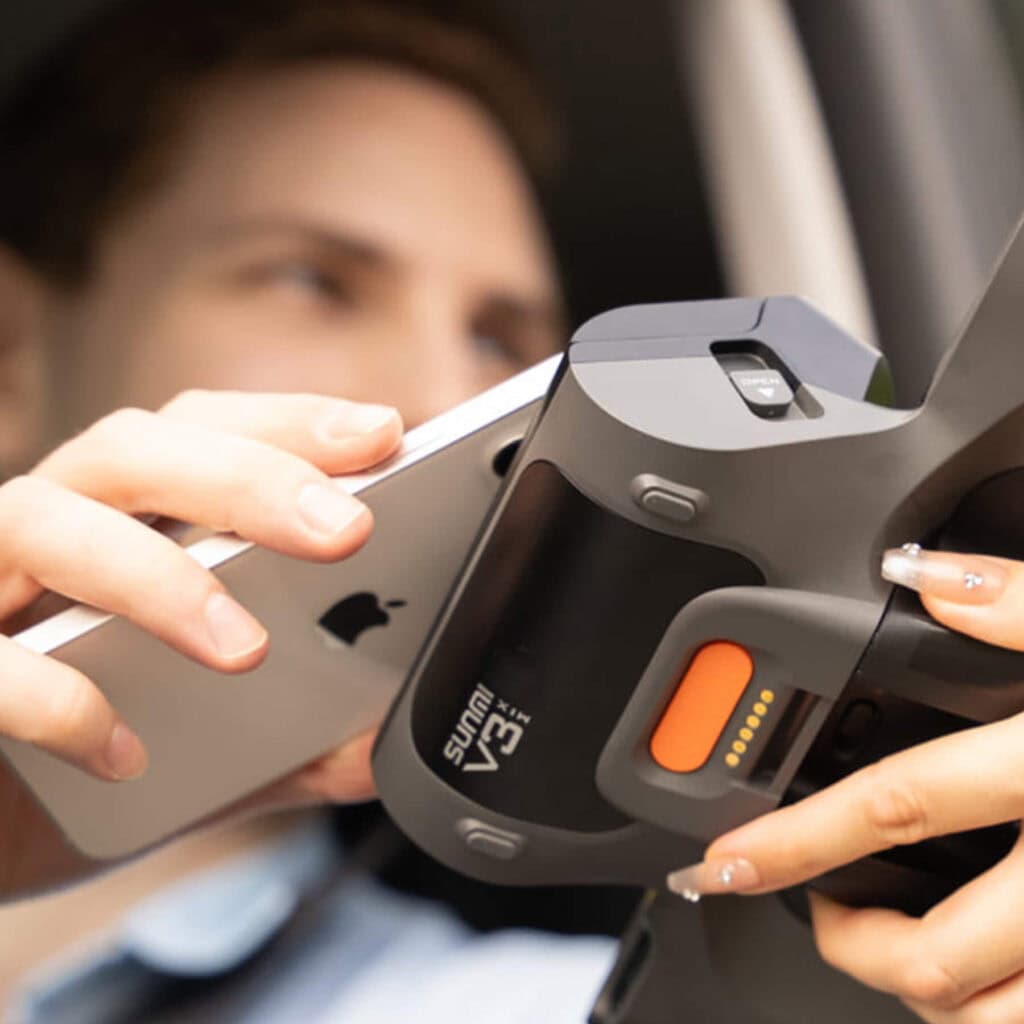
Built for Businesses That Accept Cards.
From restaurants and retail stores to service businesses, dual pricing can help businesses reduce card processing costs while giving customers a clear choice at checkout.
✓ Restaurants
✓ Retail Stores
✓ Auto Repair Shops
✓ Contractors & Service Businesses
✓ Salons & Spas
✓ Medical & Dental Practices
✓ Self Storage Facilities
Ready to Reduce Your Processing Costs?
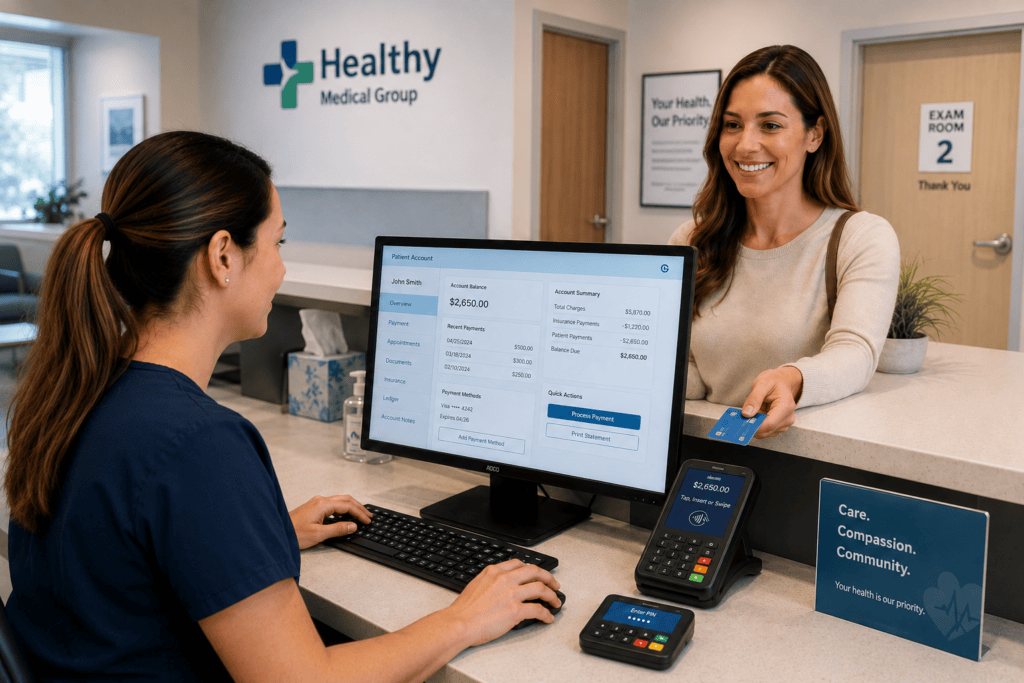
See how much dual pricing could save your business.
Call or text us at: 801-205-1955
Choose the Right Dual Pricing System
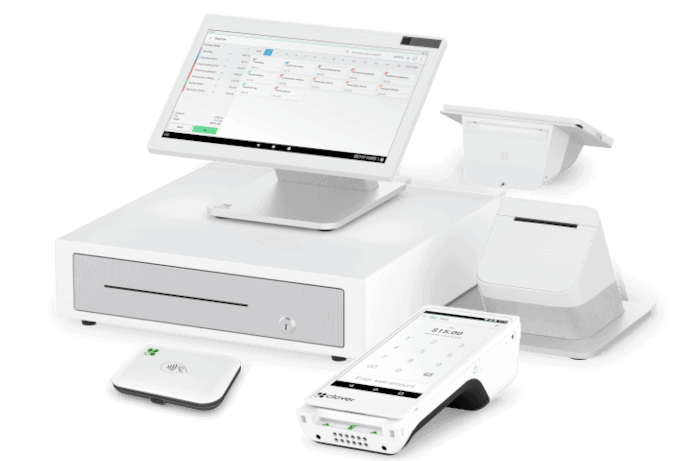
From countertop POS systems to wireless payment terminals, we’ll help you choose the right setup for your business.
- Clover POS Systems
- Tap-to-Pay Solutions
- Dejavoo Payment Terminals
- Wireless Payment Devices
- PayAnywhere POS Systems
- Mobile Payment Acceptance
Why Businesses Choose iSmart Payments

Experience Matters.
We’ve helped businesses accept payments since 2009.
Today, we combine dual pricing with modern payment technology and personal support.
✓ Dual Pricing Expertise
✓ Modern POS & Payment Technology
✓ Complimentary Equipment Options
✓ Next-Morning Funding
✓ U.S.-Based Support
Ready to Lower Your Processing Costs?

Tell me a little about your business. I’ll show you how dual pricing could work, what equipment fits your operation, and what you could potentially save.
No pressure. Just your options.
✓ See How Dual Pricing Could Work
✓ Compare Equipment Options
✓ See Your Potential Savings
Call or text me at 801-205-1955.
Greg G Kapitan
The Payments Man
Payment Technology Consultant Since 2009 – iSmart Payments
FAQs for Dual Pricing Credit Card Processing
What is dual pricing processing and how does it work?
Dual pricing processing is a payment model where businesses display two prices to customers: a lower cash price and a slightly higher card price. Customers choose which payment method they prefer before completing the transaction. Many businesses use dual pricing to offset rising credit card processing fees while still accepting modern payments like tap to pay, Apple Pay, Google Pay, and EMV chip cards in a transparent way.
Why are so many businesses switching to dual pricing programs?
Credit card processing costs have continued increasing for restaurants, retail stores, salons, auto repair shops, contractors, and many other small businesses. Dual pricing helps businesses reduce or even eliminate out-of-pocket processing expenses while maintaining competitive pricing. Many business owners also prefer the transparency of showing both prices upfront rather than surprising customers with unexpected fees at checkout.
What is the difference between dual pricing and surcharging?
Although people sometimes use the terms interchangeably, dual pricing and surcharging are structured differently. Surcharging typically adds a separate fee during checkout when a customer pays with a credit card. Dual pricing displays both the cash price and the card price upfront before payment happens. Many businesses prefer dual pricing because customers can clearly see both payment options ahead of time, creating a more transparent checkout experience.
Can dual pricing help eliminate credit card processing fees?
Many businesses use dual pricing specifically to reduce or eliminate the burden of credit card processing fees. Instead of the business absorbing the full processing expense on every transaction, the card price helps offset those costs. Depending on the setup, some businesses dramatically reduce their monthly merchant processing expenses while continuing to offer customers flexible payment options.
Is dual pricing legal in the United States?
In my opinion and understanding, dual pricing programs are widely used throughout the United States when properly structured with transparent pricing disclosure. Businesses should clearly display both the cash price and card price so customers understand their payment options before checkout. Because payment laws and regulations can evolve, many business owners choose to work with experienced payment providers familiar with compliant dual pricing program setups.
What types of businesses use dual pricing processing?
Dual pricing has become increasingly popular across many industries including restaurants, auto repair shops, salons, retail stores, convenience stores, contractors, medical offices, self storage facilities, and service businesses. Businesses with higher transaction volume or larger average tickets often benefit the most because processing fees can quickly add up over time. Modern POS systems now make dual pricing simple to manage during checkout.
Will customers get upset about dual pricing?
Many businesses discover customers are already familiar with dual pricing because gas stations and other retailers have used similar pricing models for years. Transparency plays a major role in customer acceptance. When businesses clearly display both prices upfront and explain payment options professionally, customers often appreciate having the ability to choose between paying with cash or card.
Can dual pricing work with modern POS systems and payment terminals?
Modern payment systems are specifically designed to support dual pricing programs. Many POS systems and smart terminals automatically calculate the correct card price during checkout while still supporting contactless payments, Apple Pay, Google Pay, EMV chip cards, mobile wallets, and tap-to-pay transactions. This creates a smooth customer experience without requiring employees to manually calculate fees.
How much can a business save with dual pricing processing?
Savings vary depending on monthly card volume, average ticket size, and the current processing rates being paid. Some businesses processing thousands of dollars monthly in credit card transactions may save hundreds or even thousands of dollars each year. High-volume industries like restaurants, auto repair shops, and contractors often notice some of the largest reductions in processing expenses after implementing dual pricing.
Does dual pricing still allow customers to pay with credit cards?
Absolutely. Dual pricing does not remove credit card acceptance. Customers can still pay using Visa, Mastercard, Discover, American Express, tap to pay, Apple Pay, Google Pay, and contactless payment methods. The difference is that businesses display both payment options upfront so customers can choose the payment method that works best for them during checkout.
Can dual pricing improve profitability for small businesses?
Many small businesses implement dual pricing because rising merchant fees directly reduce profit margins. Even a few percentage points in payment processing costs can add up significantly over time. By offsetting those expenses, businesses may improve cash flow, retain more revenue, and free up funds that can be reinvested into payroll, marketing, inventory, staffing, or business growth initiatives.
Why do business owners compare dual pricing to gas stations?
Gas stations have used similar pricing concepts for years by displaying both a cash price and a credit card price directly on the pump signage. Because consumers are already familiar with this type of pricing structure, many business owners use the gas station example when explaining dual pricing. Customers generally understand they are choosing between different payment methods with different associated costs.